How to Buy Concrete Surface Preparation Equipment - Buyer's Guide

Whether you need to grind, scarify, mill or blast your way to a properly prepared surface, here's advice on finding a machine that can do the job efficiently and with less mess

Preparing concrete surfaces for coatings, overlays, stains or repair materials is a time-consuming task that many contractors perform begrudgingly or are tempted to overlook altogether. But if you've ever skipped this essential first step in the process, you undoubtedly learned the hard way how critical it is to the success of the job.

"Lack of surface preparation causes 90% or more of overlay failures," says technical expert Chris Sullivan of Sullivan's Corner. "The surface needs sufficient 'bite' for the overlay to bond, otherwise delaminating failure can result." Sullivan contends that for most decorative overlay projects, contractors should devote more time to surface prep than to the actual overlay installation itself.

Fortunately, an arsenal of high-performance equipment is available that can help you make the most efficient use of this time, enabling you to achieve the exact surface profile you need with less effort and mess than ever before possible. The most effective weapons for getting your concrete floors into shape are shotblasters, concrete grinders and scarifiers. Within these equipment categories, you'll find a wide array of models with applications as diverse as the products themselves, from compact handheld units for small jobs or working in tight spots to high-productivity ride-on machines for covering large expanses quickly. Many of these machines also come with an assortment of attachments, allowing you to remove a variety of different coatings and perform profiling tasks ranging from light roughening to aggressive milling. And in many cases, there's no need to worry about dust and debris. Machines that use dry-cutting methods usually have dust-collection capabilities, minimizing the cleanup work necessary before you apply a decorative treatment to the surface.

To help you explore all these options, here's a guide to some of the latest surface prep powerhouses on the market, along with a few tips from manufacturers for achieving the best results when using their equipment.

MATCHING THE MACHINE TO THE JOB

Let's address the most important question first: Do you really need an expensive piece of equipment to strip off old coatings and prepare concrete surfaces for coatings and toppings? Actually, you may be able to get by without one. In some cases, acid etching or chemical strippers will do the job (see What About Acid Etching for Surface Preparation?). However, in most situations the best way to remove contaminants and unsound concrete is by mechanical means. A good surface prep machine will break up existing sealers, coatings or adhesives with no chemicals involved. It will also lightly pulverize the surface, leaving a roughened profile for overlays and toppings to grab on to. And unlike acid etching, mechanical abrasion can level uneven joints or high spots, polish rough or worn floors, smooth out trowel marks, and remove spalling or delamination.

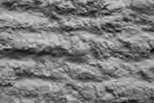
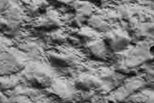
Obtaining the right concrete surface profile, or CSP, is especially important when applying a new coating or overlay (see What's a Concrete Surface Profile, or CSP?). You have to achieve a profile deep enough to lock in the coating and ensure a good bond without going so deep that the coating won't be thick enough to hide your profiling work. The key to achieving good results is to match the equipment (and attachment) to the job at hand. But the decision isn't always clear-cut. For some jobs, there may be a number of viable solutions or you may need to use a combination of methods, such as shotblasting in open areas and hand grinding along edges and in corners.

Because each type of machine takes a different approach to surface preparation, some units are better suited than others for certain tasks. Although this guide gives you a general overview of how the various machines operate and what they can accomplish, always consult with the equipment manufacturer, who can help you determine the best fit for a particular project (see Ten Factors to Consider When Selecting Equipment). Many rental companies and dealers also have specialists available to answer your questions or arrange for an equipment demonstration. If possible, test out various types of equipment in a small area of your slab to determine which machine obtains the desired results.

SHOTBLASTERS

How they work

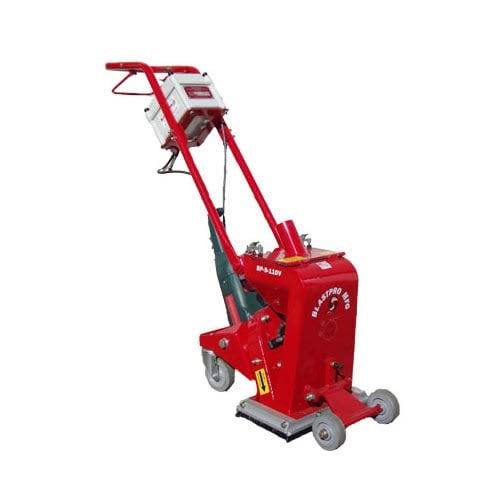
Shotblasting is a one-step method for stripping, cleaning and profiling surfaces in preparation for coatings and overlays. Not only do shotblasting systems produce a roughened texture that improves adhesion of decorative toppings, they also leave surfaces dry and immediately ready for recoating or resurfacing.

Most shotblasters use a wheel with paddle-type blades that propel steel shot at the surface at a high velocity using centrifugal force, fracturing off the surface layer of the concrete along with any dirt, coatings, paint or other contaminants. The entire process is confined in an enclosed blast chamber that recovers and separates the dust from the spent steel shot. The removed debris is sent to a separate dust collector while the reusable abrasive is recirculated. The depth of surface removal is controlled by a combination of factors, including the size of the shot and concentration used, the rate of machine travel, shot impact force and whether you need to strip away an existing coating.

Shotblasters are typically walk-behind or ride-on units, with blasting paths ranging from 4 to 32 inches and removal rates from about 200 to over 3,000 square feet per hour. Smaller models are good for working in tight areas, such as around equipment and obstructions and next to walls, and for preparing residential garage floors or balconies for decorative coatings. The most common power options are electric, diesel and gasoline.

Typical applications

Shotblasters can perform surface preparation tasks ranging from very light etching to more aggressive removal of surface mortar down to coarse aggregate. They also are a cost-effective method for removing dirt, grime and chemical contaminants from large areas and for prepping substrates for self-leveling or polymer overlays, epoxy toppings and most coatings. Another big advantage of shotblasting is that it produces very little airborne dust or debris, making the method a good choice for floors in sensitive areas, such as food preparation facilities or manufacturing plants.

What shotblasters can't do effectively is remove rubbery mastics or heavy elastomeric coatings, because the steel shot will just bounce off the surface.

Tips for best results

  • The hardness of the concrete and the presence of a previous coating can affect production rates and the depth of material removal. When removing thick coatings, you may need to make multiple passes with the shotblaster or consider a more aggressive removal method, such as a scarifier.
  • Shotblasters can leave "cornrows" where successive passes overlap, and these paths may be visible if you plan to cover the prepared surface with a clear coating or thin overlay. Some larger shotblasting machines have horizontally fed rather than center-fed blast wheel configurations that distribute the shot more evenly and minimize the cornrow effect.
  • Smaller steel shot provides better coverage and higher production rates. Use the smallest steel shot size possible to achieve the desired results.
  • If the slab has areas of softer and harder concrete, vary the travel speed of the machine to get more consistent results. A slower speed tends to remove more material.

GRINDERS

How they work

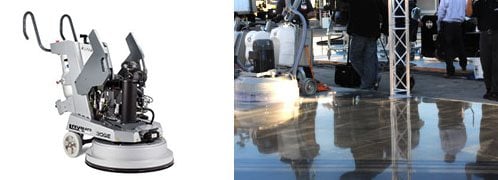
Grinders use horizontally rotating discs to perform a multitude of tasks, from light texturing to open the pores of the surface to removal of paints and thin coatings. The key to their versatility are the grinding attachments, which are available in a variety of types and grits to suit different applications. Because grinders use rotary action rather than impact to remove material, the depth of material removal is limited to about 1/8 inch, depending on the type of attachment used. They generally leave behind a smoother profile than scarifying or shotblasting, and when working on hard, dense concrete they may polish rather than abrade the surface.

For floor and slab surfaces, you can find walk-behind grinders ranging in size from single-disc units for working in small or restricted areas to dual-, triple- or even four-disc machines for high-production grinding of large slabs. A single-disc grinder has a working width of 10 to 12 inches while a dual-disc unit covers 20 or more inches in one pass. Disc rotation speeds range from about 250 to over 3,000 rpm. On multiple-disc units, the discs usually are counter-rotating to provide balanced torque so the grinder won't pull from side to side. For more even grinding, some machines are also equipped with floating heads that will follow the contour of the floor and adjustable rear wheels to keep the grinding discs level. Many manufacturers offer a choice of power options, including electric, gasoline and propane. Most machines are equipped with vacuum ports for dust-free dry grinding. Some models also include water mist systems so they can be used with wet- or dry-cutting attachments.

Although walk-behind machines are well suited for profiling large slab surfaces, you can also buy handheld grinders for working in tight areas where larger units can't maneuver, such as in corners and close to walls. These smaller workhorsesare available with grinding diameters ranging from 5 to 12 inches and can also be used to remove bumps, form marks, and graffiti from vertical surfaces or to grind concrete countertops (see A Definitive Polisher for Concrete). Like their larger cousins, handheld units come with a selection of grinding accessories and can be hooked up to an industrial vac for dust control.

Typical applications

Many of today's grinders can serve multiple functions and are generally more adaptable than other types of surface prep equipment, especially when it comes to decorative work. They are a good solution for profiling floors before application of thin coatings or paints because they won't create ridges in the surface, as can scarifiers. Other applications include breaking up deposits of grease, dirt and industrial contaminants and leveling uneven joints or high spots. Many contractors also use grinders with finer-grit abrasives to polish concrete surfaces.

Attachment options

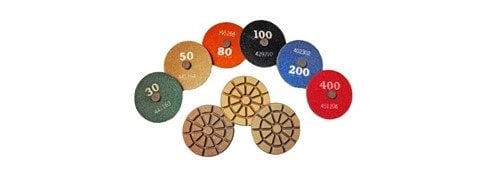
Investing in an assortment of attachments for your grinder will maximize its versatility and allow you to perform a broader range of tasks with one machine. The three most common types of grinding attachments are silicon-carbide-impregnated grinding stones, tungsten-carbide inserts, and diamond-segmented grinding tools. Some grinders are also available with scarifying attachments for removing thicker coatings and mastics.

Available in various grits for coarse or fine polishing, silicon-carbide stones are an economical choice for such applications as smoothing trowel marks or rough finishes and leveling high spots less than 1/16 inch. However, these stones can clog easily, which can make them inefficient at removing most coatings.

Tungsten-carbide inserts and diamond grinding accessories remove surface coatings with greater speed and efficiency. Tungsten-carbide inserts are carbide-tipped blocks with beveled edges that can strip heavier buildups or coatings without digging into the concrete. Their removal action, which is similar to using a scraper, works best in materials thicker than 1/16 inch. Applications include removing adhesives, thick paints, resins, tar, industrial buildups and rubber deposits.

For profiling work and removal of thin-film coatings or coatings with high hardness values, such as urethanes and epoxies, diamond-segmented abrasives are generally the best solution. Other applications include polishing and removing minor surface imperfections. The diamond segments, which are bonded to a backing plate or to removable block inserts or plugs, sit on the surface and are embedded in a metal or resin matrix. During grinding, the matrix wears away gradually to expose new diamonds. You can choose diamond tooling in various grit levels, ranging from fine to coarse, and with different bond hardnesses, shapes and diamond concentrations, allowing you to match the tool to your project requirements.

Regardless of the attachment you use, look for inserts or grinding discs that are easily replaceable. This will allow you to move more easily from coarser to finer grit levels.

Tips for best results

  • Despite their versatility, grinders generally aren't designed for aggressive profiling jobs, and there are certain coatings a traditional grinder just can't remove. They are most effective at removing thin coatings and paints or for cleaning and lightly abrading floor surfaces.
  • When deciding between tungsten carbide and diamond attachments for coating removal, the main factors to consider are the material type and thickness and the strength of the mechanical bond to the surface. One manufacturer offers this tip: If the material to be removed can be cut with a knife, use tungsten carbide. Diamond segments are more suitable for thinner coatings no greater than 1/16 inch.
  • When using diamond tooling, it's important to choose the right bond hardness of the matrix (the material that holds the diamond segments) to achieve greater efficiency and to maximize tool life. In general, use a hard bond when grinding soft materials and a soft bond for hard materials. Softer materials wear away the diamonds more quickly.
  • The weight of walk-behind grinders can make a difference in grinding performance. Heavier units permit more aggressive grinding because they place more weight on the discs, allowing them to make better contact with the surface. Ballast weights can be added to some machines for tackling more difficult material removal jobs.

SCARIFIERS

How they work

Scarifiers, also called surface planers or milling machines, remove concrete faster and more aggressively than grinders. That's because they use the pummeling action of multi-tipped cutting wheels, or flails, that rotate at high speeds to chip away at the concrete surface. You can choose from many different styles of interchangeable cutter assemblies to achieve the profile you need for each job.

Equipment choices range from small handheld units with 2- to 3-inch cutting widths to manual push or self-propelled walk-behind machines with working paths of 4 to16 inches. Production rates for walk-behind models range from 350 to 1,500 square feet per hour, depending on machine size and horsepower, material to be removed, hardness of the concrete and type of cutter used. Cutting depths are adjustable on most machines, with some models achieving up to 1/4 inch of material removal in one pass. More sophisticated models have self-leveling scarifying heads that automatically adjust to contours in the floor. As with grinders, scarifiers are available with a choice of power options (including gas, electric, diesel and air) and with hookups for attaching a vacuum to collect dust and debris.

The cutting wheels themselves are mounted on shafts on a removable drum. The number of cutter shafts per drum varies by model, but generally machines with more shafts can hold more cutters per loading for increased scarifying action and faster production rates. Look for machines with quick-change drum designs that allow you to switch or replace cutters in minutes.

Typical applications

A variety of interchangeable cutting wheels and drum setups allow scarifiers to perform a broad range of profiling tasks. Applications include removing coatings (even heavy floor tile mastics and rubbery elastomeric or epoxy materials), light or heavy milling, grooving walkways to make them slip resistant, removing trip hazards in sidewalks, and leveling misaligned concrete joints and uneven surfaces.

Attachment options

Most cutters are made of tungsten carbide or hardened steel and come in a myriad of styles to suit different applications. You can choose from different diameters and widths, number of cutting teeth, and tip styles (blunt or flat for aggressive removal, sharp for gentler scarifying action, or angled for scraping). Different grades of cutters are also available, with ultra-premium grades providing a much longer service life and more predictable finish. Manufacturers can recommend the cutter style and grade best suited for your needs.

Tips for best results

  • In addition to varying the cutter type, you can also achieve different finishes by adjusting the spacing and pattern of the cutter assemblies. The closer the cutters are spaced, the smoother the finish. A wide spacing achieves a coarse finish. Some contractors bring drums outfitted with different cutter types and arrangements to each job.
  • A scarifier generally leaves behind a rough finish and may create ridges in the concrete. On jobs where you need a smoother finish, you may need to grind the surface after scarifying.
  • Although both tungsten carbide and steel cutters can perform similar tasks, tungsten carbide cutters are more aggressive and longer lasting, making them practical for jobs requiring high production rates or scarifying of high-psi concrete. Steel cutters have a shorter life, but are also less expensive.

RENTING VS. BUYING

The price tag for high-performance surface prep equipment can be pretty steep. Expect to pay about $2,000 to $4,000 for a single-head floor grinder to over $6,000 for a four-head machine. A walk-behind shotblaster with a 13-inch blast path can set you back more than $20,000 while a ride-on scarifier with a 12-inch cutting swath can top $30,000. And these prices don't account for attachments, accessories or separate dust-control equipment.

If you do a lot of surface prep work, you can often justify the cost of purchasing your own equipment. But if you expect to use the machinery only about four or five times a year, you may be better off renting the equipment or subcontracting the work. For example, you can rent a 10-inch walk-behind floor grinder from GrindAll—a distributor of concrete surface preparation equipment—for about $250 a day vs. shelling out nearly $4,000 to buy the machine new. You'll also save on maintenance expenses and depreciation costs.

If you do decide to buy, get the most from your investment by purchasing a machine that can perform multiple functions. It's also good to start out small, because regardless of the size of the slab, you'll always need a machine that can work in corners, next to walls and other tight spots.

TEN FACTORS TO CONSIDER WHEN SELECTING EQUIPMENT

  1. What type of material are you trying to remove? Unsound concrete, epoxy coatings, mastics, paint? This is key to determining the right process for effective removal. A rubbery elastomeric coating, for example, will require scarification or grinding rather than shotblasting.
  2. What is the thickness of the material you are trying to remove? A grinder may be ineffective at removing coatings thicker than 1/8 inch.
  3. What is the condition and age of the base concrete? Is it delaminated and crumbling or relatively sound? If it's sound, what is the compressive strength? Older floors are typically harder because concrete continues to gain strength as it ages.
  4. What degree of concrete surface profile are you trying to achieve? For surfaces to be coated, the goal is a profile that will provide enough "tooth" for coating adhesion yet will be hidden by the thickness of the coating or overlay you will be applying. Most overlay and coating manufacturers will specify the method of surface preparation best suited for their systems. They may also indicate the concrete surface profile number needed for their product, per International Concrete Repair Institute guidelines.
  5. What will be applied over the prepared surface? A stain or a thin coating will generally require only light profiling while a thick overlay or self-leveling coating will adhere best to a heavily textured surface, such as that achieved by a scarifier or shotblaster.
  6. What are the specifications? Most coating manufacturers will specify the best surface preparation method to use for their products. On decorative concrete jobs, the architect may also specify the equipment to use to achieve the desired profile.
  7. Are there any restrictions on noise, dust, equipment weight or size, exhaust fumes, and disposal of waste?
  8. How large is the job, and what is the time frame for completion? This will tell you the production rate you need to achieve. Most machine specs will indicate the maximum number of square feet of surface per hour their equipment can prepare. However, that rate will vary depending on job conditions, and it doesn't account for obstacles that may slow your progress and require handwork, such as corners and areas around obstructions.
  9. What attachment options are available? Machines that can be fitted with a wide assortment of attachments will offer greater versatility.
  10. What type of power source is desired? You can find machines that run on gasoline, propane, electricity, or compressed air. Decide what type of power is best suited for your needs and job conditions.

Return to Surface Preparation Buyer's Guide