
Concrete Surface Preparation
If you plan to overlay or restore existing concrete, proper surface preparation is essential to achieving good results
Concrete shot blasting machine from Procrete Resources
Preparing concrete surfaces for coatings, overlays, stains or repair materials is a time-consuming task that many contractors perform begrudgingly or are tempted to overlook altogether. But if you've ever skipped this essential first step in the process, you undoubtedly learned the hard way how critical it is to the success of the job.
Concrete surfaces are prepared prior to resurfacing concrete to look like plain concrete again or to be upgraded to a decorative finish. Today polymers can be applied as thin as 1/8 " or up to 3/4" thick and stamped, producing a surface that looks just like a normal stamped concrete surface.
Shop surface preparation supplies and equipment
Need help with your project? Find concrete contractors near me.
Surfaces are also prepared prior to various floor-coating installations in industrial, commercial, and institutional applications. The most important characteristic for resurfacing materials or floor coatings is the texture of the concrete. This section offers an overview of the steps required for surface preparation as well as an introduction to the machinery that is used.



WHAT'S A CONCRETE SURFACE PROFILE, OR CSP?
For proper bonding of concrete overlays and coatings, it's important to give surface the correct concrete surface profile, or CSP. To help contractors make this assessment, the International Concrete Repair Institute has developed benchmark guidelines for CSP-a measure of the average distance from the peaks of the surface to the valleys. They range from CSP 1 (nearly flat) to CSP 10 (very rough).
 Description: Acid-etched
 Description: Grinding
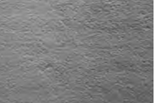 Description: Light shotblast
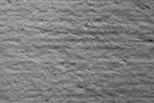 Description: Light scarification
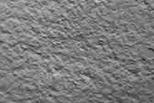 Description: Medium shotblast
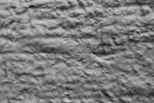 Description: Medium scarification
 Description: Heavy abrasive blast
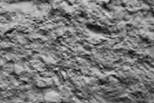 Description: Scabbled
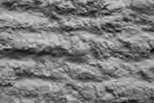 Description: Heavy scarification—rotomilled
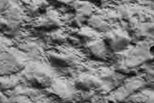 Description: Handheld concrete breaker followed by abrasive blasting
As a general rule, the thicker the overlay or topping, the more aggressive the profile needs to be. A skim coat, for example, may require a light CSP of 2 to 4. For thicker self-leveling or polymer overlays, acceptable profiles generally range from CSP 4 to 6. Achieving surface profiles in the higher ranges often requires roughening by shotblasting or scarifying.
For a copy of ICRI's technical guide, "Selecting and Specifying Concrete Surface Preparation for Sealers, Coatings, and Polymer Overlays," call 651-366-6095 or visit www.icri.org.
SURFACE PREPARATION SPECIFICATIONS AND STANDARDS
What Surface Condition Specifications Should Cover
Specifications should also say how uniform, clean, rough, and what strength the concrete substrate should be prior to a coating or overlay installation.
Other specifications may include time schedules and acceptable levels of noise and dust. Also, is there time in the schedule for concrete to dry to the required moisture level if water is being used in the cleaning process? If the specifications dont cover these issues- make sure they get covered.
If testing is required, the types of tests should be incorporated into the specifications.
Proposals for surface preparation specifications should clearly spell out cleaning methods, profiling method, and surface defect repair procedures.
Most job specifications for surface preparation state the surface should be "sound, free from surface defects dry, and clean." Each of these terms is subjective, so it is important that the job specifications, the coatings or overlay specifications, and the expectations of the architect and/ or project engineer are in alignment.
Standards You Should Know About (ACI 503R, ASTM 4263, ASTM 4260)
ACI 503R Use of Epoxy Compounds with Concrete
ASTM D 4260-88- Standard Practice for Acid Etching
ASTM D 4262-83- Test Method for pH for chemically cleaned or etched Concrete Surfaces
ASTM D 4263-83- Test Method for Indicating Moisture in Concrete by the Plastic Sheet Method.
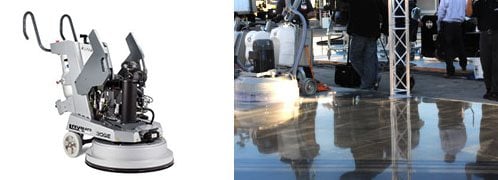 Propane Grinding Machines
Go cordless with the LAVINA elite series
Propane Grinding Machines
Go cordless with the LAVINA elite series
 Concentrated Concrete Cleaner
Clean and profile concrete in a single step
Concentrated Concrete Cleaner
Clean and profile concrete in a single step
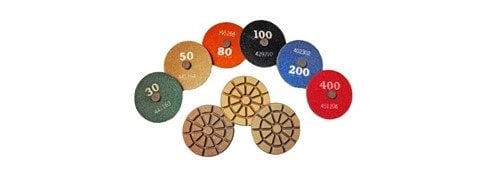 Surface Prep Diamonds
Superior floor with reduced steps
Surface Prep Diamonds
Superior floor with reduced steps
 Coating Removal - Brickfrom Strip-It
Environmentally sound and user-safe stripper
Coating Removal - Brickfrom Strip-It
Environmentally sound and user-safe stripper
 LAVINA® ELITE Vacuums
Ranging from 16" to 32"
LAVINA® ELITE Vacuums
Ranging from 16" to 32"
When Job Specifications and Manufacturers Specifications Differ
All of us in construction are familiar with the "I did it per the specs" excuse. It is when the job has went south and a reason must be found as to why- so finger pointing begins. The problem is often the job specifications and the product specifications do not coincide.
Architects specifications are often boilerplate and transfer from one job to another- even when job conditions are different.
Contractors are busy and bid many jobs- often with no time, or due to distance they are unable to examine the project specs versus the product specs and job conditions.
Owners often just dont think it can be that complicated.
Smart owners, property managers, and designers will start at the end, considering the desired result and ask", what is the end result of the new floor we are looking for"? Review reputable products that will produce that result.
Then write the specifications following the product manufacturers instructions for installation and considering the job conditions.
The above is not an easy task- but it beats the blame game that occurs when it is not done.
SURFACE PREPARATION FREQUENTLY ASKED QUESTIONS
What About Acid Etching for Surface Preparation?
Were you interested in concrete etching or engraving information?
For Concrete polymer-modified overlays:
Contractors and manufacturers are split between roughening the concrete by mechanical profiling or acid etching. Large or difficult surfaces will usually be mechanically profiled.
Acid etching can provide adequate surface preparation for horizontal installations of coatings, and toppings in areas that are well ventilated and require a spark and/or dust free environment. But they will not remove petroleum-based products or animal vegetable oils from the concrete. Acid etching is meant to create a surface profile not clean the concrete. To clean or degrease concrete use specialtly cleaning products.
After acid etching is done the surface must be neutralized. Bonding problems can occur if acidic residue remains on the concrete.
ASTM D 4262-83 is the test method for pH for chemically cleaned or etched concrete surfaces.
You can review and buy the ASTM documents. Click here.
For Floor Coatings in Industrial or Commercial Applications:
Mechanical profiling is the method of choice. Thomas Kline of Structural Preservation and William Perenchio of Wiss, Janney, Elstner Associates, Inc. note that acid etching should only be done when no alternative means of preparation is possible.
Again, the safest measure is to follow the floor coating manufacturers installation instructions.
What About Installing a Non-Breathable Coating?
If shotblasting or scarifying is used to remove the top of the concrete surface to profile the concrete, this opens the pores of the concrete. Open pores means air can now more readily escape from the concrete.
If a non-breathable coating is applied, the escaping air can create air bubbles and craters in the cured coating. In this condition- multiple primer coats should be applied prior to installing the coating. Again, check with the coating manufacturer.
It may also help to apply the coating at night: there is less chance of water vapor to be drawn out into the air when the air and concrete temperatures are similar.
What Happens if Surface Prep Contractor and Coating Installer are Different Companies?
Communication must be very clear in these conditions. A natural conflict can occur if problems develop with coatings: each party can find something wrong with the other ones work.
The surface preparation contractor should present a work plan that is checked for compatibility with both the coatings to be used, and the job schedule.


