
- Exposed Aggregate Home
- How to Expose the Aggregate
- Why Exposed Aggregate is Better Than Ever
- Design Ideas for Exposed Aggregate Finishes
- Exposed Aggregate Pool Decks
- Exposed Aggregate Patios
- Combining Decorative Elements with Exposed Aggregate
- Ideas for Enhancing Exposed Aggregate Concrete
- Exposed Aggregate Concrete Leads to an Ocean of Discovery
- Protecting and Maintaining Exposed Aggregate
- Exposed Aggregate Sealers
Exposed Aggregate Reveals the True Beauty of Concrete
Achieve spectacular effects at a minimal cost with the many types and sizes of decorative aggregate available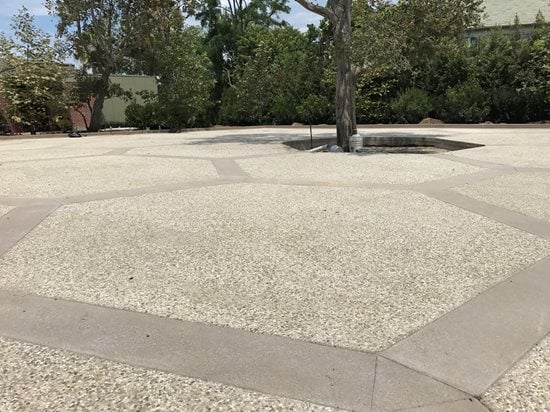
LA Concrete Works in West Hills, CA
Exposed aggregate concrete can almost be compared to a piece of granite or marble transformed by polishing: A plain, unremarkable surface has been stripped away to reveal the exceptional beauty lying beneath. In the case of concrete, that beauty is in the form of decorative aggregate, either natural or manufactured.
The decorative process of exposing aggregate has been around since the early 1900s, well before pattern stamping, stenciling, and decorative overlays became trendy. But this method is far from being ready for retirement. An exposed aggregate finish offers numerous advantages. And many of today's decorative concrete contractors are finding creative ways to take exposed aggregate to a new level.
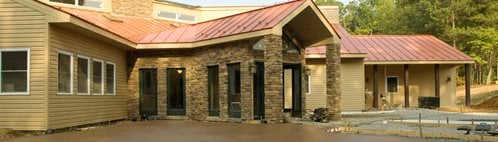
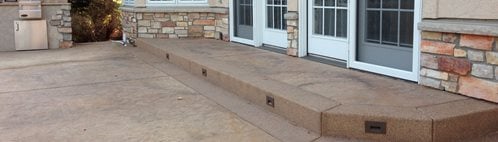
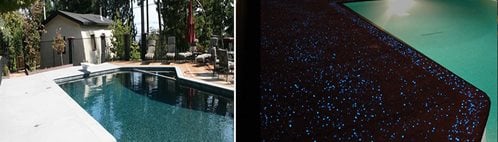
Exposed Aggregate
Time: 01:14
WHAT IS EXPOSED AGGREGATE AND WHERE IS IT USED?
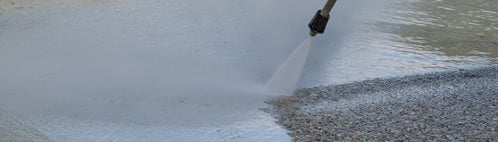
An exposed-aggregate surface is obtained by placing concrete and then removing the outer 'skin' of cement paste to uncover decorative coarse aggregate (either batched into the concrete mix or seeded onto the surface).
Because of its durability and skid resistance, an exposed aggregate finish is ideal for most flatwork including:
- Sidewalks
- Driveways
- Patios
- Pool decks
- Plazas
An exposed-aggregate finish is also possible on concrete walls or tilt-up panels. Vertical applications include:
- Decorative retaining walls
- Architectural building facades
- Sound barrier walls
ADVANTAGES OF EXPOSED AGGREGATE FINISHES
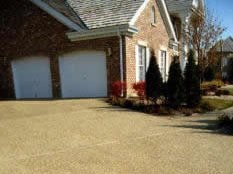
Easy to maintain and naturally skid-resistant, exposed aggregate is an ideal decorative treatment for concrete driveways. Portland Cement Association
With an exposed aggregate finish, you can achieve spectacular effects at a reasonable cost because few additional materials (other than the decorative aggregate) and tools (beyond basic finishing tools) are required. Here are some other notable advantages of exposed aggregate finishes:
- The basic procedures are simple enough for experienced finishers to master easily.
- The surface is rugged, nonskid, and resistant to heavy traffic and weather extremes.
- Many types and sizes of decorative aggregate are available to achieve unlimited color and texture variations.
- Exposed aggregate is highly versatile and contrasts beautifully with plain concrete or other decorative treatments such as stamping, stenciling, staining, and integral coloring.
- Little maintenance is required, other than sealing and occasional cleaning.
CHOOSING DECORATIVE AGGREGATE
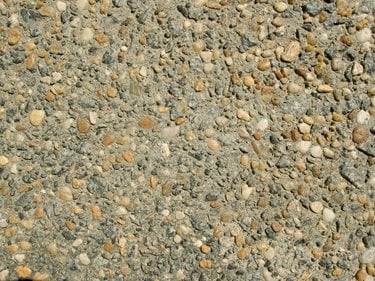
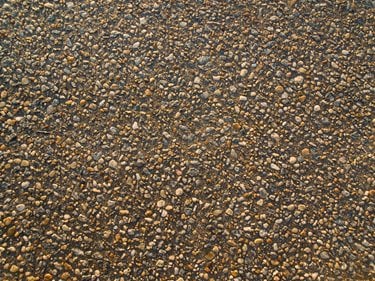
The color palette of an exposed aggregate surface is largely determined by the type of decorative stone that's used. Aggregate selection can also have a big impact on the total cost of the project. Expensive aggregates are not always needed to achieve impressive results.
 Grace Construction Products
Grace Construction Products
Grace Construction Products
Here are the main factors to consider when selecting aggregate:
- Color
- Hardness
- Size and gradation
- Shape
- Method of exposure
- Durability
- Cost and availability (generally, locally produced aggregate is more economical)
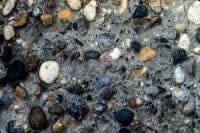
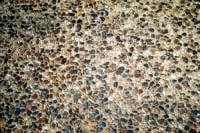 Natural aggregate varies widely in color, size, and shape. Portland Cement Association
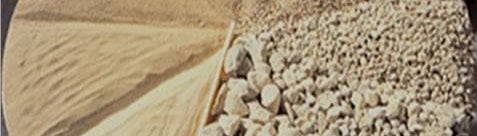
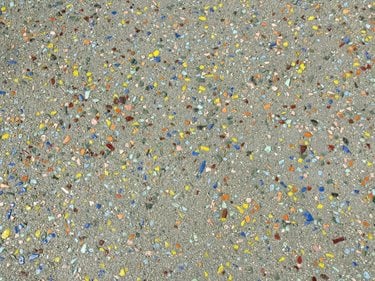
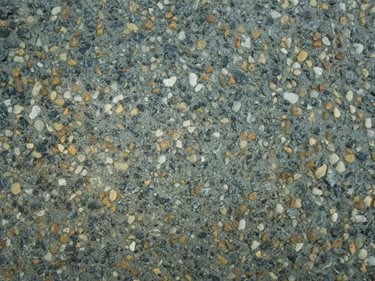
The most popular decorative aggregates are richly colored natural stones such as basalts, granite, quartz, or limestone. But you can also use manufactured materials such as recycled colored glass. Even seashells and other interesting objects can be seeded into the concrete surface.
 Grace Construction Products
Grace Construction Products
Grace Construction Products
The color of natural aggregates can vary widely depending on their geological origin. Options range from delicate pastels such as pink or rose quartz, to rich hues such as dark blue or red granite, to earth tones such as sandy brown river gravel, black basalt, and gray limestone.
Caution: Avoid aggregates containing substances that can stain the concrete, such as iron oxides and iron pyrites.
Aggregate size and shape vary, too. The size, which can range anywhere from 3/8 inch to 2 inches or more in diameter, largely determines the depth of exposure. Aggregate shape affects the surface pattern and texture. Rounded aggregates provide the best coverage and a smoother surface while angular aggregates add more texture and dimension. Avoid flat or sliver-shaped pieces; they don't hold well during the exposure operation and can dislodge easily.
ADDING THE AGGREGATE TO THE CONCRETE
ConcreteNetwork.com
There are three different methods for incorporating the decorative aggregate into concrete slabs for later exposure:
Seed the aggregate onto the surface
The most commonly used method is to seed the decorative aggregate onto the slab surface immediately after the concrete has been placed, struck off, and bull floated. This involves sprinkling the aggregate by hand or shovel uniformly onto the surface and then embedding it with a bull float or darby until it's completely covered by a thin layer of cement paste.
Mix the aggregate into the concrete
You can also have the ready-mix producer put the decorative aggregate right into the concrete mix during batching, which eliminates the step of seeding it onto the surface after concrete placement. However, depending on the cost of the aggregate you choose, this method can be more expensive than seeding because it requires using greater quantities of decorative aggregate.
Put the aggregate into a thin topping
Another alternative is to place a thin topping course of concrete containing the decorative aggregate over a base slab of conventional concrete. The topping can range in thickness from 1 to 2 inches, depending on the aggregate size. This method generally works best when smaller decorative aggregates are specified.
ACHIEVING SPECIAL EFFECTS
Although an exposed-aggregate finish looks great on its own, many contractors heighten the drama by using creative techniques that enhance or complement the colors and textures of the decorative aggregate.
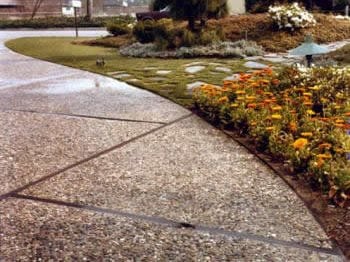
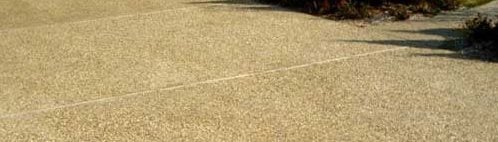
Wood divider strips accentuate sections of earth-toned exposed aggregate. Portland Cement Association
Here are just a few of the myriad possibilities:
- Use contrasting aggregates or combine areas of smooth and exposed-aggregate finishes.
- Integrally color the concrete in a shade that sets off or complements the aggregate color palette.
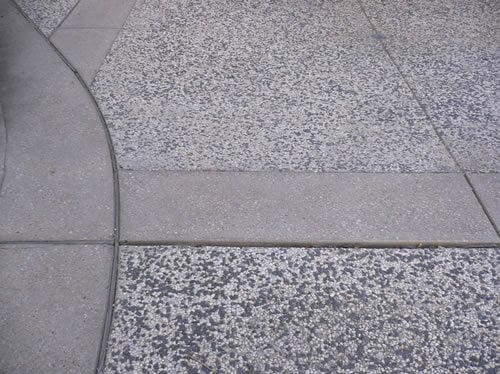
- Place exposed aggregate in bands or fields separated by joints, wood divider strips, or bands of contrasting decorative treatments.
- Use chemical stains to highlight elements in a pattern or fields of exposed aggregate.
- Vary the degree of aggregate exposure, from light to heavy. For example, fields that are side by side or in a pattern can be sandblasted to different exposure levels for a unique effect.
- Use high concentrations of aggregate at the surface to create an exposed-aggregate walkway that looks like a gravel pathway.
- A process developed by Concrafter combines pattern stamping and exposed aggregate to produce eye-catching borders and insets.
- Exposed Aggregate Concrete Replicates a River
 Exposed Aggregate Retarder
Twelve predetermined exposure depths
Exposed Aggregate Retarder
Twelve predetermined exposure depths
 Expose & Seal
Surface retarders and sealers for exposed aggregate
Expose & Seal
Surface retarders and sealers for exposed aggregate
 Concrete Sealer
Solvent Based Stain Repellent – Natural Finish
Concrete Sealer
Solvent Based Stain Repellent – Natural Finish
 Expo-Gloss
“Wet Look” Exposed Aggregate Solvent-Based Sealer
Expo-Gloss
“Wet Look” Exposed Aggregate Solvent-Based Sealer


