
Decorative Precast Concrete for Architectural Accents
Architectural precast concrete is the perfect medium for producing decorative columns, balustrades, arches and more, customized to enhance any architectural style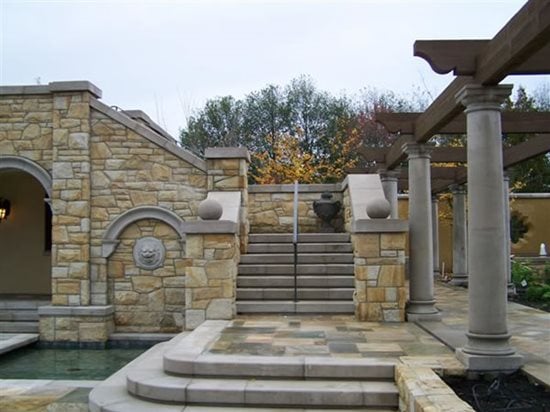
DreamCast Design and Production in Richmond, BC
Find GFRC Mixes for Precast Concrete
You've got to hand it to the ancient Romans. Not only were they the first to invent concrete, they also discovered—way back in first-century B.C.—that by pouring concrete into molds they could mimic the ornate architectural details of carved granite or stone—with much less time and effort. Classic Roman monuments such as the Coliseum and Pantheon were among the first structures to incorporate architectural elements cast in concrete.
This early artificial stone conceived by the Romans gave birth to modern-day architectural precast concrete. Through the years, concrete artisans have capitalized on Roman ingenuity by fine-tuning mix designs and moldmaking techniques, taking cast stone to a new level of quality and aesthetic perfection. Architectural precast concrete is also about as durable as natural stone, and is a much cheaper alternative.
Architectural elements cast in concrete offer all the beauty of natural cut limestone, granite or marble, but permit much greater versatility in color, finish and detailing. This unlimited design flexibility has made concrete a popular substitute for carved stone for all types of exterior and interior accents such as columns, balustrades, door and window surrounds, pool copings, wall caps, stair treads, sill caps, and more.
Types of Architectural Precast Concrete
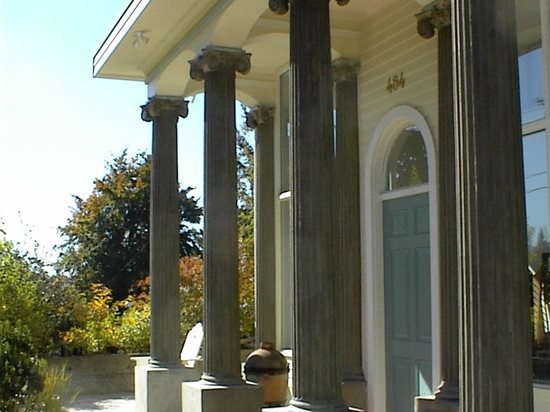
Absolute ConcreteWorks in Seattle, WA
Unlike concrete used solely for utilitarian purposes, the function of architectural precast concrete is primarily aesthetic. That means special concrete mixes, such as cast stone and glass-fiber-reinforced concrete, are often used to achieve the best appearance without compromising performance.
Cast stone is a type of architectural precast concrete that combines the strength and durability of reinforced concrete with the appearance of natural stone. It's typically made of portland cement, fine and coarse aggregates (usually granite, quartz or limestone), natural or manufactured sands and high-performance chemical admixtures. As an architectural trim or ornament, high-quality cast stone is a time-tested alternative to natural cut stone. It has a high compressive strength, excellent long-term durability, low water absorption, enduring freeze-thaw resistance, and good resistance to abrasion and dirt. With the inclusion of steel reinforcement in structural elements, such as columns, cast stone also possesses good tensile and flexural strength.
Glass-fiber-reinforced concrete (GFRC) is a lightweight alternative to cast stone combining cement, sand, and glass fibers in place of coarse aggregate, resulting in a product that's only about a third of the weight of conventional precast concrete. "GFRC is better for the installer. It's lighter and easier to cut and less susceptible to chipping and breaking. GFRC can also be used for structural elements, and no rebar is needed because its compressive strength is more than twice that of regular concrete," says Tommy Cook of Absolute ConcreteWorks (ACW).
In addition to being easier to work with, GFRC can be cast into ornate shapes with a high degree of detail. GFRC can mimic the look of terra cotta, carved stone and even cast-iron building elements. Typical architectural applications include spandrels, column covers, cornices, brackets, quoins, railings, pilasters, copings and trim.
Find GFRC Mixes for Precast Concrete
Where to Use Concrete Architectural Accents
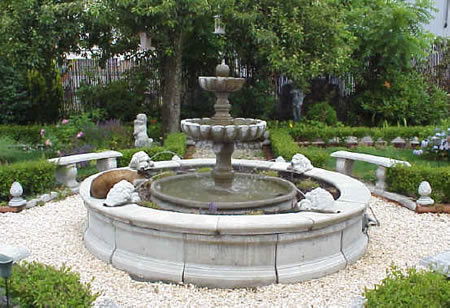
Secret Garden Statuary in Seattle, WA
Commercial or institutional buildings, especially those with classic architectural styles, are the most common applications for architectural precast concrete. Cast concrete lintels, window sills, arches, keystones, columns and other ornamental features are dramatic ways to augment the beauty of building exteriors. However, architectural concrete accents are also ideal for adding elegance and grandeur to masonry or concrete homes or to enhance residential landscapes (see Concrete Statuary: The Newest Art Form in the Garden).
Although concrete architectural accents are typically used for new construction, pieces are also available for retrofit applications. For example, Lucioni Arts of Seattle, which produces numerous styles of precast concrete balustrades, columns and post caps, makes two-piece surrounds that can be used to encase existing columns or posts (see photos).
To get design ideas, ask architectural cast concrete producers to show you photos of their finished projects or provide a catalog of standard pieces available for order. Here are several other good resources for project photos:
- Concrete Network photo gallery of architectural details
Concrete Architectural Finish Options
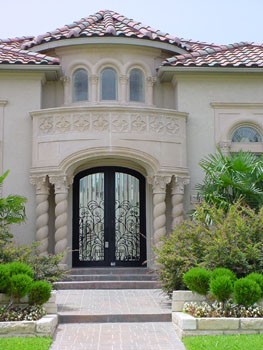
Advanced Cast Stone in Fort Worth, TX
Myriad finishes are possible with architectural precast concrete details, ranging from smooth and fine grained to rough pebble-like textures. Some of the finishes and surface detailing are as-cast (which means right from the mold, with no further treatment) or achieved after de-molding by mechanical or chemical means.
Here are some of the options, according to the Architectural Precast Association:
Exposed aggregate. This finish is achieved by casting the concrete against a form surface that has been painted with retarder to slow the set of the concrete at the surface. After the form is removed, the retarded concrete is stripped away by sandblasting or with high-pressure water to reveal the beauty and texture of the underlying aggregate in its natural colors. Endless variations are possible, depending on the type of aggregate used and degree of exposure. (See Exposed Aggregate Reveals the True Beauty of Concrete.)
Tooled finish. This achieves surfaces closely resembling hand-tooled natural stone faces. It's produced by casting the concrete against a smooth or specially textured or patterned form, and then "hammering" or "fracturing" the surface mechanically after the forms are removed.
Dry-tamp cast stone finish. This produces a fine-grained surface texture, with no coarse aggregate exposed, that closely simulates natural building stone. It's achieved by "ramming" moist zero-slump concrete against a smooth form until densely compacted. This method virtually eliminates the possibility of small bug holes in the finish and is often used for small trim pieces such as sills and lintels.
Smooth as-cast. This is a simple, unadulterated finish that displays the natural beauty of concrete without trying to simulate any other building material. The concrete is placed against a smooth form and is left in its natural state after form removal.
Light sandblast. After removal from the form, the element is given a light sandblasting to remove some of the cement from the surface, resulting in a subtle sand-textured finish.
Acid-etch finish. Acid etching produces a surface closely resembling limestone, brownstone or sandstone. After the cast element is removed from the form, it's washed with an acid solution and scrubbed to remove the surface cement. With this method, the exposed sand retains more "sparkle" than with light sandblasting.
Colored. All of the finishes above can further be enhanced by the use of integral coloring, which involves adding pigments directly to the concrete mix before it's poured into the mold.
Cost vs. Customization
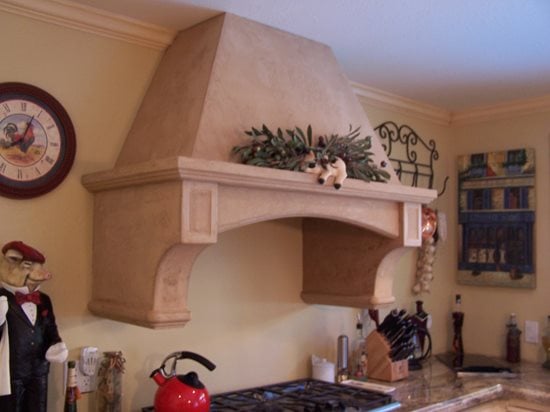
Concrete Interiors in Martinez, CA
Costs can vary widely for architectural concrete accents, depending on the degree of customization required. More complex designs require more time to create which can be very costly.
ACW fabricates custom molds for most of its products, sculpting the desired profile in wood, foam, plaster or plastic and then casting the shape in rubber molds into which they pour the concrete. However, the company also carries an inventory of standard pieces for projects with limited budgets. "Many times a custom profile is specified, but during value engineering it is changed to a standard stock profile that costs less," says Steve Silberman of ACW.
For a full custom project, expect to pay extra for preparation of shop drawings and moldmaking, in addition to the basic costs of casting and delivering the final product. To achieve greater economy, balance the needs of a project with the degree of custom shapes needed, opting for standard stock shapes or semi-custom pieces, when possible. This will not only cut costs, but also streamline production and shorten delivery times.
The quantity of pieces ordered can also affect the price. "If the customer orders only a few pieces, they can be very costly to produce. The cost goes down dramatically if a greater quantity is ordered," Silberman notes.
Ensuring Product Quality and Appearance
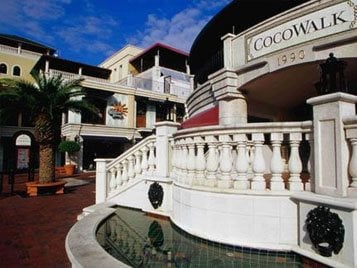
Cast Stone Institute
Very little can be done to change the appearance of architectural concrete details once they have been incorporated into a structure. For custom or made-to-order pieces, it's essential to discuss your expectations with the precaster from the start to avoid disappointing results.
With the visual prominence and impact of architectural concrete, it's especially important to make sure that the final color, texture, finish and detailing of the cast piece meet your aesthetic expectations. Ask the precaster to prepare shop drawings of your plans for approval to ensure the accuracy of detail. Also ask to see a sample of the concrete to be used for final evaluation of color and finish. Here are some additional tips from the Cast Stone Institute:
- Expect some minor variations in color and texture in cast stone elements, similar to what you might see in natural cut limestone.
- Some pieces will show more color inconsistency than others. For example, those made with gray cement will show more light/dark variations than those containing primarily white cement. And pieces containing high concentrations of integral pigments such as reds and browns will vary more in color than neutral shades such as buff.
- Special mixes containing contrasting and multicolored aggregates may also show greater variations in color.
- Deficiencies you should not accept in architectural cast concrete products include obvious bug holes or air voids on the finished surface, ragged or chipped edges, stains on exposed faces from foreign substances, inconsistent areas of rough texture or smoothness, visible cracks wider than hairline, and rust stains on the surface caused by reinforcement or iron pyrites (see Caution: Avoid Aggregates Containing Substances that Can Stain Concrete).
Maintaining and Protecting Architectural Precast Concrete
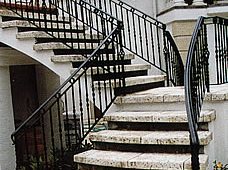
Patterned Concrete of Illinois in Geneva, IL
Applying a waterproofing sealer to architectural precast concrete is the best way to minimize staining, dirt penetration, efflorescence and mildew and make the concrete easier to clean. The Cast Stone Institute recommends the use of silane or siloxane sealers (or blends containing each) for weatherproofing architectural cast concrete because these products penetrate the surface to form a water-repellent resin within the voids of the concrete. They can also help reduce freeze-thaw damage. (See The Concrete Network Shop Smart Guide to Buying Concrete Sealers.) To continue protection, it may be necessary to reapply sealer every few years. However, if you want the concrete to age or weather naturally, a sealer is normally not necessary.
The same products and procedures recommended for cleaning concrete can generally be used to clean architectural accents. A variety of commercial cleaners are available, with most containing detergents combined with mild solutions of phosphoric and/or muriatic acids. Be sure to test any treatment on a small, inconspicuous area prior to cleaning the entire piece. When possible, avoid using aggressive cleaning methods that can erode or change the appearance of the finish, such as high-pressure power washing, sandblasting and metal fiber brushes.
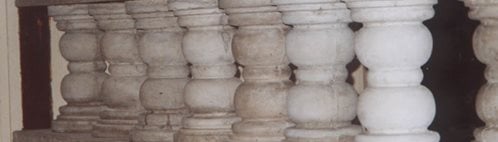
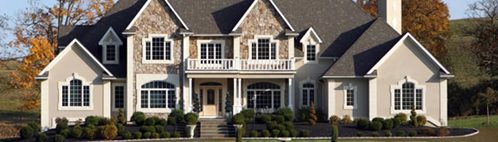 Home Exterior
Six ways for using concrete for exterior home design and improvement
Home Exterior
Six ways for using concrete for exterior home design and improvement


