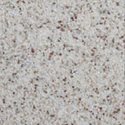
Epoxy coatings can turn garage floors into an extension of your living area by adding color, hiding imperfections and improving wear resistance Updated April 17, 2020
A garage floor coating is one of the most affordable and attractive ways to enhance a plain gray garage slab. These heavy-duty epoxy-based systems give you durability as well as a wide array of design options.
In addition to epoxy, these are the other options for your garage floor:
Concrete stain – adds semi-transparent color, giving depth and a customized look to your floors
Concrete sealer – provides a layer of protection to your concrete
Floor paint – a low-cost way to bring in color to your concrete surface
Polyurea – a fast-curing coating that is UV, scratch, and temperature resistant
Garage floor tiles – interlocking tile system that allows you to add color, pattern and protection
Rubber mats – garage covering that rolls out similar to carpet, is easy to install as a DIY project
HOW MUCH DOES A GARAGE FLOOR COATING COST?
An average 2-car garage is 18’ x 20’, or 360 sq. ft. with some being slightly larger in order to have the vehicles fit inside more comfortably. With a cost of $2 - $5 per sq. ft. on average, your garage floor will cost about $720 - $1,800.
As the size of the garage increases and the design becomes more intricate, the cost will rise. Find a garage floor contractor near you to get a quote for your project.
Many homeowners take on coating their garage floors as a DIY project. The best way to accomplish this is to use a garage floor kit. The kit will give you the guidance to complete the project yourself. However, using a professional contractor is the best way to ensure that your project is completed on time, on budget, and with the finished look that you want.
Here are the steps you can expect when having your garage floor coated:
Prepare the floor to receive the coating
Scrub the floor with detergent and a power scrubber.
Acid wash with a solution of four parts water to one part acid, then neutralize the surface with a solution of one part ammonia to ten parts water.
Work the neutralizer into the surface with a stiff-bristled brush then rinse with a high-powered washer.
Apply the coating
A primer coat ensures a good bond. Apply the primer with a roller according to the manufacturer's directions.
When the surface is dry to the touch, apply the epoxy or urethane base coat.
Broadcast the color flakes
Apply flakes evenly into the wet base. They can be applied lightly to show the base color or heavily for increased coverage and durability.
Blow or sweep off loose flakes.
Scrape the floor using a metal floor scraper to ensure no paint chips are sticking up then blow the floor again.
Seal the system with a finish coat
Use a two-part aliphatic polyurethane, which is UV resistant and won't yellow or fade in sunlight.
Allow the floor to dry for 48 hours before allowing foot traffic and up to five days for vehicle traffic.
Two sealer coats may be required if a full broadcast is applied.
GARAGE FLOORING DESIGN OPTIONS
Standard epoxy floor coating colors
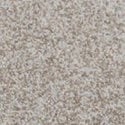
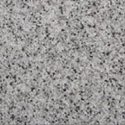
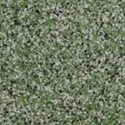
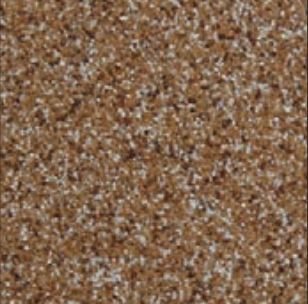
Epoxy floor coatings provide a wear-resistant and chemical-resistant surface for garage floors. Many manufacturers of epoxy coatings offer a wide variety of color options, including several choices of color flake chips. Below are a few of the standard color options for your next project. Color samples provided by Westcoat.
Sandstone
Shadow
Forest
Autumn
Niagara
Rose
Cappuccino
Pecan
Design Options for Garage Floors Time: 01:10 Learn about the different options you have for redoing your garage floor with concrete coatings. View all concrete floor videos
Here are some optional features that you can use to give your new garage floor a functional and finished look.
For additional slip resistance
Slip resistant aggregates can be added to the finish coat to increase traction and reduce slip-fall issues. The aggregates are available in different sizes, and issues such as climate and the degree of slip resistance desired must be taken into account when choosing the proper additive. In the Southwest, for example, a 40 to 60 grit aggregate is common, while in the Midwest, a 30 grit is the preferred size. Be sure to discuss the options with your contractor and have him or her show you a sample.
Framing the floor for a more finished look
The stem walls, those four-inch borders that go around the perimeter of the garage, can be covered with your chosen garage floor system for a cleaner, more finished look. Apply system as you would for any horizontal surface.
Making your garage an extension of your living space
In a time not too long ago, garages were all the same: outbuildings that were storage areas for parked cars, with boring gray concrete or even dirt floors. Today garages have taken a more prominent place in the design of homes, often built to house three vehicles, and more often than not, attached to the home. Garages have graduated from simple storage areas to organized shops or showrooms. Today, every bit of attention that a homeowner pays to decorating their home is paid to the garage as well, right down to what goes on the concrete floors.
The growing trend to customize residential garages seems to have generated in the Southwest, where mild weather encouraged people to spend time in their garages. With the addition of evaporative coolers and special heating systems, garages became useable in all corners of the U.S., in all kinds of weather.
As garages became extensions of living spaces, the organizational needs for the garages evolved as well. One of the first steps in customizing garages, the addition of custom cabinets, may have led to the popularity of garage floor coatings. With homeowners wanting cleaner and more organized garages, they also want to upgrade the floor as well.
Now homeowners no longer have to settle for boring, gray concrete flooring. Their garage floors can be as aesthetically pleasing as the rest of their home. See these pictures of custom garage floors.
Garage Floor Coatings Time: 05:50 Find out what products are good to use as a decorative garage floor surface.
The versatility of garage floor coatings
Garage floor coverings have the versatility to go with any style of décor. Looks can range from simple gray concrete with a sealer to a more complex colored base with multicolor flecks in it, offering a design similar to granite or terrazzo.
Color flakes come in a wide range of colors and are made of acrylic paint chips. This system provides an excellent wear surface that can stand up under walking and driving on, but if impact resistance is what you're looking for, decorative quartz is the way to go. Quartz floors are multicolored aggregates thrown to refusal into 100% solids epoxy and have the impact resistance not normally found with the acrylic paint chips.
Choosing the design for your garage floor covering can be as simple as matching the color of your house or as involved as hiding any imperfections or flaws in the existing floor. Here are your options:
Coating the existing concrete with only a sealer, any imperfections will show through.
A colored base with the paint chips or quartz aggregate thrown down to refusal would cover any imperfections that may exist.
If the floor has no aesthetic reasons to choose full coverage, a medium or light paint chip coverage may be chosen for additional design variations.
The owner of this property wanted to create the look of a cobblestone road in his own garage. Elite Crete’s Thin Finish was used for the gray basecoat, then the cobblestone stencil was placed, followed by Pure Texture in bluestone. Once dry, the stencil was removed revealing a custom, one-of-a-kind cobblestone garage floor.
This firehouse was in need of a concrete flooring system that would be fast to install and require little downtime for upkeep. The coating also needed to withstand the impact of heavy truck traffic, as well as contact with oil, grease and harsh chemicals. The answer was to install HP Spartacote’s Sparta-Chip, a high-performance polyaspartic coating, which gives floors a terrazzo-like seamless flooring finish, enhanced by decorative vinyl chips that are broadcast into the surface.
Custom Concrete Solutions, LLC in West Hartford, CT
This once rundown concrete floor received a new high-gloss decorative finish complete with a colorful logo and matching parking stalls. An epoxy coating tinted in various colors was used to cover the old floor. The aluminum-based decal logo was custom ordered and will hold up under heavy traffic.
CARE AND MAINTENANCE FOR YOUR GARAGE FLOOR COATING
Garage Floor Maintenance Time: 00:53 Caring for, maintaining, and cleaning your garage floor coating. View all concrete floor videos
Maintaining your garage floor coating is simple. For daily maintenance, a soft broom or dust mop works well. For a thorough cleaning, simply wash the floor with a neutral cleaner and follow with a good rinsing.
To eliminate those inevitable tire marks from your garage floor, use a gentle cleaner such as Simple Green (diluted 10-to-1 with water) or almost any other citrus degreaser. Be sure to check the labels and stay away from anything harsh.
Although garage floor systems are resistant to many substances, they're not impervious. Certain substances may damage the floor system if left to stand, so it's important to clean up any spills immediately. Battery acid is especially harmful to finishes and may cause them to bubble; so if your new garage will house golf carts that need to be recharged overnight, make sure to put a plate under the battery compartment. With a little prevention and minimal maintenance, your garage floor system can be enjoyed for years to come.