Myerstown, PA
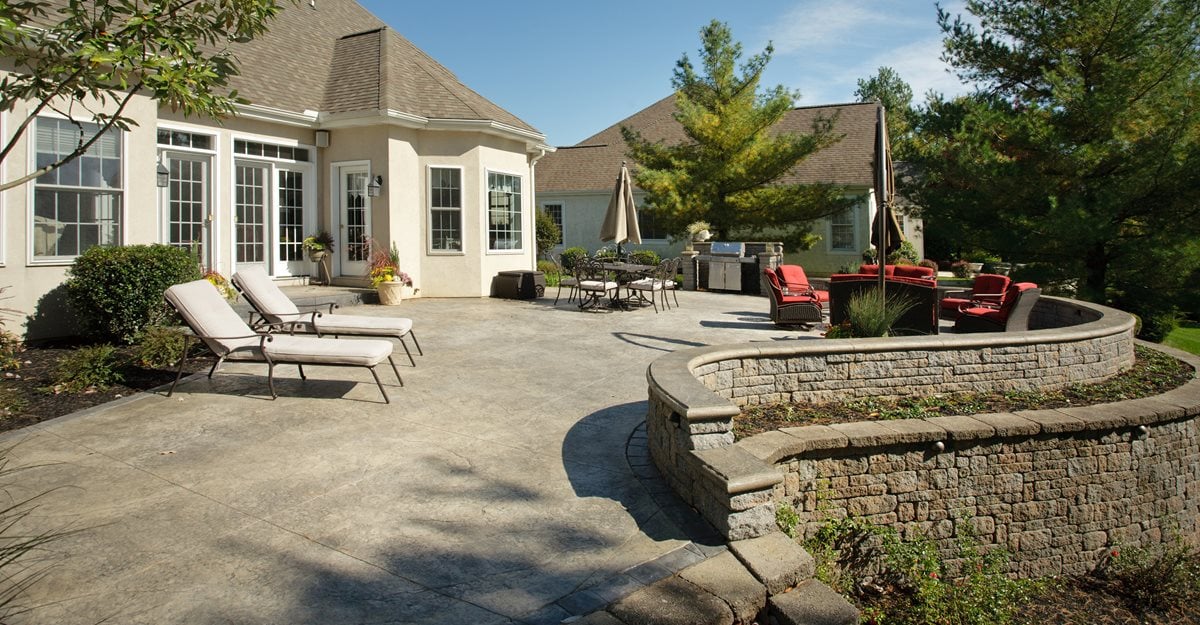
A patio is the heart of any backyard—where you gather for summer barbecues, relax with a book, or enjoy a quiet morning coffee. Choosing the right patio material is key to creating a space that lasts. A backyard concrete patio is an affordable, stylish, and long-lasting option that can mimic high-end materials like stone, tile, and wood—without the high cost or maintenance. Whether you’re considering a sleek modern look or a rustic stamped finish, exploring concrete patio ideas can help you create the perfect outdoor space.
Find concrete patio contractors near me.
Concrete Patio Information
Concrete Patio Photos
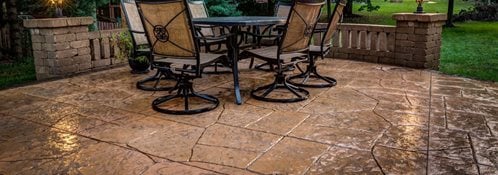
Browse hundreds of patio pictures from across the country to get ideas for your own decorative treatment.
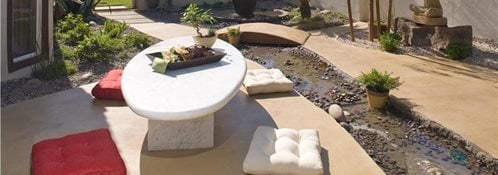
Concrete Patio Cost
How much does a concrete patio cost? Find out average costs and what design features contribute to the price.
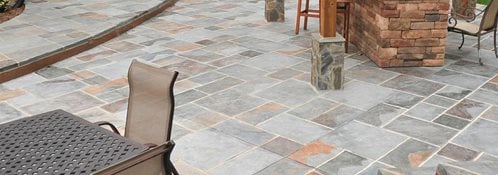
Stamped Concrete Patios
Discover tips and design ideas for using stamps to add texture to a concrete patio.
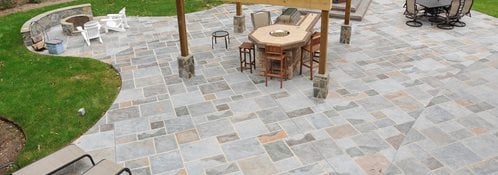
Concrete Patio Ideas
Research concrete textures and colors, decide which patio size is right for you, and more.
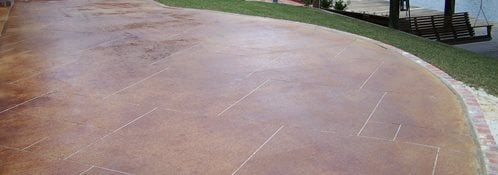
Stained Concrete Patios
Get tips and design options for using concrete stains to transform your patio.
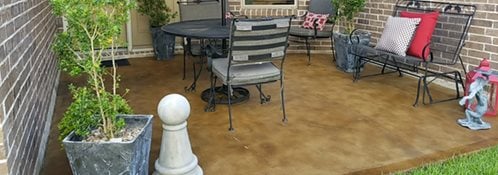
Small Backyard Patios
Get design ideas and tips to give small patios greater appeal and functionality with concrete.
Why Homeowners Choose Concrete Patios
- Customizable – Choose from stamped, stained, or exposed aggregate finishes in a variety of colors and patterns.
- Long-Lasting – With proper care, a concrete patio can last 30+ years without major repairs.
- Budget-Friendly – Often more affordable than pavers or natural stone, especially for larger patios.
- Low-Maintenance – No sanding, staining, or sealing every year like wood decks.